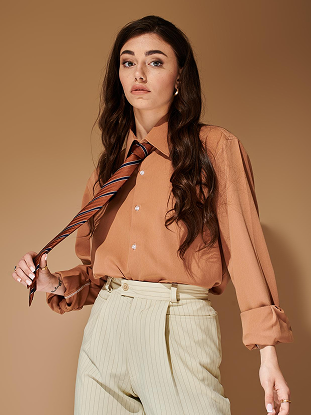
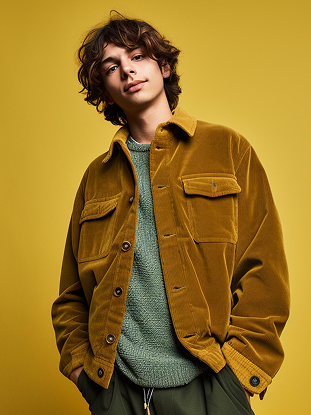
Trans-seasonal dressing is one of those concepts that sounds deceptively simple but requires a genuine understanding of both your wardrobe and your climate. At its core, it is the art of dressing for the in-between moments — those weeks and months when the weather refuses to commit to a single season, when mornings are cool and afternoons are warm, and when the standard rules of seasonal dressing simply do not apply. Mastering this skill is not just a matter of practicality; it is an opportunity to develop a more versatile, considered, and ultimately more sustainable approach to getting dressed.
The foundation of any successful trans-seasonal wardrobe is a strong collection of layering pieces. Lightweight cardigans, fine-knit turtlenecks, unlined blazers, and fluid shirt jackets are the workhorses of the transitional wardrobe. These are pieces that can be added or removed throughout the day as temperatures shift, without disrupting the overall coherence of an outfit. The key is to choose layering pieces in colours and textures that work harmoniously together, so that any combination feels intentional rather than accidental. Neutral tones and tonal dressing are particularly effective strategies here.
Fabric choice is perhaps the most important consideration when dressing trans-seasonally. Heavy wools and thick knits belong firmly in the depths of winter, while lightweight linens and sheer fabrics are best reserved for the height of summer. The sweet spot for transitional dressing lies in fabrics that offer a degree of temperature regulation — merino wool, which keeps you warm without overheating; silk, which feels cool against the skin but can be layered for warmth; and cotton blends that breathe well while still providing some structure. Investing in pieces made from these fabrics will serve you well across multiple seasons.

Trousers and skirts in mid-weight fabrics are another essential component of the trans-seasonal wardrobe. Wide-leg trousers in a fluid crepe or a structured ponte fabric work beautifully across spring and autumn, pairing equally well with a lightweight blouse and sandals or a chunky knit and ankle boots. Similarly, a midi skirt in a textured fabric like bouclé or tweed can be worn with bare legs and a simple top in warmer weather, then transitioned into cooler months with the addition of opaque tights and a longline coat. Versatility is the guiding principle.
Footwear plays a surprisingly significant role in trans-seasonal dressing. The right shoe can anchor an outfit in a particular season, while the wrong choice can make even the most carefully considered look feel out of place. Ankle boots are the quintessential transitional shoe — substantial enough to feel appropriate in cooler weather, yet light enough to wear comfortably on warmer days. Loafers and mules in leather or suede occupy a similar space, offering a polished finish that works across a wide range of temperatures and occasions. Avoid anything too summery or too wintry, and you will rarely go wrong.
Colour palette is another tool that can help to navigate the transitional seasons with ease. Rather than making a hard switch from the bright colours of summer to the deep tones of winter, consider building a palette that bridges the two. Warm terracottas, dusty mauves, forest greens, and rich caramels all feel appropriate across both spring and autumn, and they tend to work beautifully together in layered looks. These are colours that feel grounded and considered rather than aggressively seasonal, and they have the added benefit of making your wardrobe feel more cohesive and intentional overall.
Ultimately, trans-seasonal dressing is about developing a relationship with your wardrobe that goes beyond the rigid boundaries of the fashion calendar. It is about understanding which pieces in your collection are truly versatile and which are limited to a narrow window of wearability. It is about investing in quality over quantity, choosing pieces that will serve you across multiple seasons rather than ones that feel relevant for only a few weeks. When you approach your wardrobe with this kind of thoughtfulness and intentionality, getting dressed becomes less of a daily challenge and more of a genuine pleasure — whatever the weather may bring.